Welcome to London-Travel.info, an independent online travel guide for visitors who want to explore London on their own. The British capital is one of the world’s most fascinating cities, famous for its royal palaces, historic landmarks, outstanding museums, beautiful parks and extraordinary cultural diversity.
London offers something for almost every traveller. You can admire Big Ben and Westminster Abbey, visit Buckingham Palace, explore the Tower of London, discover world-famous art collections or enjoy panoramic views from modern skyscrapers. Traditional red buses, black taxis, historic pubs and the famous Underground are all part of the London experience.

Our travel guide focuses on the most important sights in London and practical information for planning your holiday. We also provide advice about public transport, accommodation, restaurants, airports and travel costs.
London can be an expensive destination, but there are many ways to save money. Some of the world’s most famous museums offer free admission to their permanent collections, numerous parks are open to everyone, and many historic landmarks can be admired from outside without buying a ticket.
Whether you are visiting London for a weekend or spending a full week exploring the city, our independent guide will help you discover interesting places and make the most of your stay.

London at a Glance – Essential Travel Information
London is the capital of England and the United Kingdom. With around nine million inhabitants in Greater London, it is one of Europe’s largest cities and an important international centre of finance, culture, education and tourism.
The city developed along the River Thames and has a history stretching back almost 2,000 years to Roman times. Today, London combines historic architecture with modern skyscrapers and some of the world’s most recognisable landmarks.
London is also one of the world’s most multicultural cities. Hundreds of languages are spoken, and its restaurants, markets and neighbourhoods reflect influences from many different countries.
London Travel Information
- Country: United Kingdom
- Population: Around 9 million in Greater London
- Currency: British pound sterling (£)
- Language: English
- River: Thames
- Famous landmarks: Big Ben, Buckingham Palace and Tower Bridge
- Major museums: British Museum, National Gallery and Tate Modern
- Public transport: Underground, buses, trains, DLR and river services
- Recommended stay: Four to five days for the main attractions
- Travel documents: Check current UK passport, visa and Electronic Travel Authorisation requirements before departure
The Best Sights in London
London has an extraordinary concentration of famous landmarks, historic buildings and modern attractions.
Many of the most popular sights are located in central London, particularly around Westminster, the River Thames and the historic City of London.
Our overview of the best sights in London introduces the city’s most important attractions.
Big Ben and the Houses of Parliament
Big Ben is one of London’s most famous symbols.
Strictly speaking, Big Ben is the nickname of the Great Bell inside Elizabeth Tower, although the name is commonly used for the entire clock tower.
The tower stands beside the Palace of Westminster, home to the British Parliament.
Its impressive Gothic Revival architecture and riverside setting make it one of the most photographed landmarks in London.
Visitors can enjoy excellent views of the tower from Westminster Bridge and the opposite bank of the Thames.
Westminster Abbey
Westminster Abbey is one of the most important historic churches in Britain.
It has been the setting for royal coronations for centuries and is closely connected with the history of the British monarchy.

The magnificent Gothic building also contains the tombs and memorials of many famous historical figures.
Westminster Abbey is particularly interesting for visitors who want to learn more about British history, architecture and royal traditions.
Buckingham Palace
Buckingham Palace is the official London residence of the British monarch.
The palace is one of London’s most popular tourist attractions and is famous for its grand facade and ceremonial traditions.
Many visitors come to see the Changing of the Guard, although the ceremony does not take place every day and may be affected by weather or official events.
Selected palace rooms are sometimes open to visitors during scheduled periods.
London Eye
The London Eye is one of the most recognisable modern attractions in the British capital.

This enormous observation wheel stands on the South Bank of the River Thames, opposite the Houses of Parliament.
From its enclosed capsules, visitors can enjoy panoramic views across central London.
The London Eye is particularly popular with first-time visitors and families.
Trafalgar Square
Trafalgar Square is one of London’s most famous public squares.
It is dominated by Nelson’s Column and surrounded by important historic buildings.
The square is also home to the National Gallery and is an excellent starting point for exploring central London.
Piccadilly Circus
Piccadilly Circus is famous for its illuminated advertising screens and busy atmosphere.
Located in the West End, it is close to theatres, restaurants, shops and entertainment venues.
It is particularly impressive after dark, when the surrounding lights create a lively urban scene.
Tower of London and Tower Bridge
Two of London’s most famous attractions are located close together on the River Thames.
Tower of London
The Tower of London is one of Britain’s most important historic buildings.
Founded after the Norman Conquest, the fortress has served as a royal residence, prison, armoury and treasury.
Today, it is a major visitor attraction where tourists can explore historic buildings and learn about centuries of British history.
One of the highlights is the exhibition of the British Crown Jewels, including objects used in royal ceremonies.
Tower Bridge
Tower Bridge is one of the world’s most famous bridges.
Completed in the nineteenth century, it combines impressive Victorian engineering with distinctive Gothic-style towers.

Visitors can walk across the bridge free of charge or purchase tickets for the Tower Bridge Exhibition, which includes elevated walkways and information about the bridge’s history.
The bridge is also an excellent location for photographs of the Thames and surrounding buildings.
St Paul’s Cathedral and the City of London
The historic City of London is London’s traditional financial district.
It combines medieval street patterns and historic churches with modern office towers and financial institutions.
St Paul’s Cathedral
St Paul’s Cathedral is one of London’s greatest architectural landmarks.
Designed by Sir Christopher Wren, the cathedral was completed in the early eighteenth century.
Its enormous dome dominates the surrounding skyline and is one of the most recognisable features of central London.
Visitors can admire the magnificent interior and, when access is available, climb to viewpoints within the dome.
Leadenhall Market
Leadenhall Market is a beautiful covered market in the City of London.
Its ornate Victorian architecture makes it an attractive destination for photography and sightseeing.
Today, the market contains shops, restaurants and pubs.
Fleet Street
Fleet Street is historically associated with the British newspaper industry.
Although most major newspapers have moved elsewhere, the street remains an interesting part of London’s history.
Bank of England Museum
The Bank of England Museum introduces visitors to the history of money, banking and the British financial system.
It is an interesting attraction for visitors exploring the City of London.
The Best Museums in London
London is one of the world’s leading museum cities.
Its museums cover an enormous range of subjects, including history, art, science, transport and popular culture.
One of the greatest advantages for budget-conscious travellers is that many major museums offer free entry to their permanent collections. Special exhibitions and some attractions may require paid tickets.
British Museum
The British Museum is one of the world’s most famous museums.
Its collections cover thousands of years of human history and include objects from ancient Egypt, Greece, Rome and many other cultures.
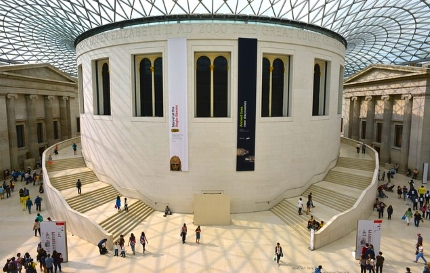
Highlights include the Rosetta Stone and the Parthenon sculptures.
General admission to the permanent collection is free, although advance reservations may be recommended during busy periods.
National Gallery
The National Gallery stands on Trafalgar Square and houses one of Europe’s most important collections of paintings.
Visitors can admire works by famous artists such as Leonardo da Vinci, Rembrandt, Van Gogh and Turner.
The permanent collection is generally free to visit.
Tate Modern
Tate Modern is one of the world’s leading museums of modern and contemporary art.
Located in a former power station on the South Bank of the Thames, the museum is also famous for its impressive industrial architecture.
Much of the permanent collection can be visited free of charge.
London Transport Museum
The London Transport Museum in Covent Garden explores the history of London’s famous transport system.
Visitors can learn about historic buses, Underground trains and the development of public transport in the British capital.
The museum is particularly popular with families and transport enthusiasts.
Madame Tussauds
Madame Tussauds London is one of the city’s best-known entertainment attractions.
It features wax figures of celebrities, historical personalities and fictional characters.

Unlike many major art museums, Madame Tussauds charges admission.
London’s Parks and Green Spaces
London is surprisingly green for such a large metropolis.
Its royal parks, gardens and riverside paths offer opportunities to relax away from busy streets and tourist attractions.
Hyde Park
Hyde Park is one of London’s largest and most famous central parks.
It is popular for walking, jogging, cycling and relaxing on the grass.
The park includes the Serpentine lake and several well-known monuments.
It is an excellent place to spend time without paying an admission fee.
Speakers’ Corner
Speakers’ Corner is located near the northeastern edge of Hyde Park.
It is famous for its tradition of public speaking and debate.
Visitors may encounter speakers discussing political, religious and social subjects, particularly on Sundays.
London Zoo
London Zoo is located in Regent’s Park and is one of the world’s oldest scientific zoos.
It is a popular attraction for families and visitors interested in wildlife.
Interesting Districts and Neighbourhoods
London consists of many distinctive districts, each with its own character.
Exploring different neighbourhoods is one of the best ways to experience the city’s cultural diversity.
Greenwich
Greenwich is one of London’s most interesting historic districts.
It is internationally famous for the Prime Meridian and its maritime heritage.
Visitors can explore Greenwich Park, historic buildings, museums and the attractive riverside area.
Greenwich is also a pleasant destination for a boat trip along the Thames.
Camden Market
Camden Market is one of London’s most famous shopping and entertainment areas.
The market is known for alternative fashion, street food, unusual shops and a lively atmosphere.
It is particularly popular with younger visitors and tourists looking for something different from traditional sightseeing.
Chinatown
London’s Chinatown is located in the West End near Leicester Square.
The district is famous for its restaurants, colourful decorations and Asian food shops.
It is a popular destination for visitors interested in international cuisine.
Docklands
The London Docklands have undergone enormous changes in recent decades.
Former industrial docks have been transformed into modern business districts, residential areas and waterfront developments.

Canary Wharf is particularly famous for its skyscrapers and financial institutions.
The O2 Arena
The O2 Arena is a major entertainment venue in Greenwich.
It hosts concerts, sporting events and other large-scale performances.
The distinctive dome-shaped building is one of the most recognisable modern structures in eastern London.
The River Thames – London’s Historic Waterway
The River Thames is one of London’s defining features.
Many of the city’s most famous attractions are located along its banks, including the Houses of Parliament, London Eye, Tower Bridge and Tower of London.
Walking along the river is one of the most enjoyable ways to explore London.
The South Bank is particularly popular because it offers excellent views, cultural attractions, restaurants and pedestrian-friendly routes.
Visitors can also use river services or sightseeing cruises to experience London from the water.
London from Above – The Shard and Other Viewpoints
London’s skyline combines historic towers with modern skyscrapers.
One of the most famous modern buildings is The Shard, a tall glass skyscraper near London Bridge.
Its observation areas offer spectacular views across the city.
Other popular viewpoints include the London Eye and various public spaces along the Thames.
Visitors looking to save money should compare admission prices and consider free viewpoints where available.
Shopping in London
London is one of Europe’s most famous shopping destinations.
Visitors can choose between luxury department stores, traditional markets, international fashion chains and independent shops.
Famous Department Stores
Our guide to department stores in London introduces some of the city’s best-known shopping destinations.
Harrods in Knightsbridge is internationally famous, while other large stores offer a wide range of fashion, cosmetics, food and household products.
Markets
London’s markets are particularly attractive for visitors who enjoy browsing unusual products and trying international food.
Camden Market is famous for alternative fashion and street food, while Leadenhall Market is especially interesting for its historic architecture.
Restaurants and Food in London
London offers an enormous variety of restaurants representing cuisines from around the world.
Visitors can enjoy traditional British dishes, Indian curries, Chinese food, Italian cuisine, Middle Eastern specialities and much more.
Our guide to restaurants in London provides an introduction.
Traditional British dishes include fish and chips, pies, Sunday roast and the full English breakfast.
However, London’s international food scene is one of the city’s greatest attractions.
Eating on a Budget
Restaurants in central London can be expensive, but affordable alternatives are available.
Markets, takeaway shops, supermarkets and casual restaurants often offer less expensive meals.
Our guide to fast food in London provides additional suggestions.
Public Transport in London
London has one of the world’s largest urban transport networks.
Visitors can use the Underground, buses, suburban trains, the Docklands Light Railway and other services.
Our guide to public transport in London explains the main options.

London Underground – The Tube
The London Underground, commonly called the Tube, is one of the most convenient ways to travel around the city.
It connects central London with many outer districts and major railway stations.
Although the Underground is extensive, some stations have stairs and limited step-free access. Visitors with mobility requirements should check accessibility information before travelling.
London Buses
London’s famous red double-decker buses are both practical transport and a popular part of the visitor experience.
Bus journeys can be particularly enjoyable because passengers can see the city while travelling.
Many routes pass famous landmarks and interesting neighbourhoods.
Contactless Payments and Travelcards
Contactless bank cards and compatible mobile payment methods can be used on much of London’s public transport network.
Oyster cards and certain travel passes are also available.
Visitors should check current fare rules, daily caps and payment conditions before travelling.
Finding Your Way Around
London is a very large city, and travelling between attractions can take considerable time.
Our guides to orientation in London and travel times in London can help visitors plan their sightseeing routes.
London Airports and Airport Transfers
London is served by several major airports, including Heathrow, Gatwick, Stansted, Luton and London City Airport.
Travel times and transfer costs vary considerably depending on the airport and your destination in London.
Heathrow Airport
Heathrow Airport is one of Europe’s busiest international airports.
It is connected to central London by several rail and Underground services.
Gatwick Airport
Gatwick Airport is located south of London and has rail connections to the city.
Different train services are available, with varying journey times and ticket prices.
Airport Transfers
Our guide to airport transfers in London compares the main transport options.
Visitors should also read our information about arriving in London and continuing their journey.
Accommodation in London – Hotels and Budget Options
Accommodation is often one of the largest expenses during a London holiday.
Hotels in central areas can be particularly expensive, especially during busy travel periods.
Our guide to accommodation in London provides information about different options.
Where to Stay
Visitors planning a short sightseeing trip may prefer accommodation near an Underground station with good connections to central London.
Staying slightly outside the most popular tourist districts can sometimes reduce accommodation costs.
However, travellers should consider additional transport expenses and journey times.
Budget Accommodation
London offers hostels, budget hotels, guesthouses and other affordable accommodation options.
Our guide to overnight stays in London provides additional suggestions.
How Expensive Is London?
London is generally considered one of Europe’s more expensive tourist destinations.
Accommodation, restaurant meals, attractions and public transport can add up quickly.
However, visitors can reduce their expenses by planning carefully.
Our guide to prices in London explains typical travel expenses.
Money and Currency
The official currency is the British pound sterling.
Our guide to money in London provides practical information about payments and currency.
Card payments are widely accepted, although visitors may occasionally need cash.
Five Ways to Save Money in London
- Visit free museums: Many major museums offer free entry to permanent collections.
- Use public transport: Compare contactless payment, Oyster and other ticket options.
- Walk between nearby attractions: Several famous landmarks are within walking distance.
- Choose affordable meals: Supermarkets, markets and casual restaurants can be cheaper than tourist restaurants.
- Book accommodation early: Prices can rise considerably during busy periods.
London with Children – Family Attractions
London offers many interesting attractions for families.
Popular destinations include the London Zoo, London Transport Museum and London Eye.
Families may also enjoy exploring London’s parks, travelling on a double-decker bus or taking a boat trip on the Thames.
Harry Potter Experiences
London is a popular destination for fans of Harry Potter.
Visitors can explore filming locations and join themed sightseeing tours.
Our guide to Harry Potter tours introduces different experiences.
Day Trips from London
Visitors staying in London for several days may want to explore destinations outside the capital.
Stonehenge
Stonehenge is one of Britain’s most famous prehistoric monuments.
The ancient stone circle is located in Wiltshire, west of London.
Organised day trips are available, although travelling there requires a substantial amount of time.
How Many Days Should You Spend in London?
London has so many attractions that even a full week is not enough to see everything.
One Day in London
With one day, concentrate on Westminster and the central Thames area.
Visit Big Ben, Westminster Abbey and Buckingham Palace, then walk towards the London Eye.
Two or Three Days in London
With two or three days, visitors can add the Tower of London, Tower Bridge, St Paul’s Cathedral and one or two major museums.
There is also time to explore Trafalgar Square, Piccadilly Circus and some of London’s famous shopping streets.
Four or Five Days in London
Four or five days allow a more relaxed sightseeing programme.
Visitors can explore Greenwich, Camden Market, Hyde Park and additional museums.
Families may want to include London Zoo, Madame Tussauds or a Harry Potter experience.
One Week in London
A full week provides enough time to discover different neighbourhoods, enjoy the city’s cultural attractions and consider a day trip outside London.
When Is the Best Time to Visit London?
London is an attractive destination throughout the year, although weather and visitor numbers vary by season.
Our guide to the climate of London provides additional information.
Spring
Spring is a pleasant time for sightseeing and exploring London’s parks.
Temperatures gradually become milder, and many gardens are particularly attractive.
Summer
Summer offers long daylight hours and numerous outdoor activities.
However, popular attractions can be crowded, and accommodation prices may be high.
Autumn
Autumn is a good season for museums, cultural events and sightseeing.
London’s parks can be particularly beautiful as the leaves change colour.
Winter
Winter brings Christmas decorations, seasonal markets and festive events.
Although days are short and the weather can be cold and wet, London’s museums, theatres and indoor attractions remain appealing.
Practical Travel Tips for London
Useful Tips for Your London Holiday
- Travel documents: Check current UK entry requirements, including whether you need an ETA.
- Currency: The British pound is used, not the euro.
- Public transport: Contactless payments are widely supported.
- Walking: Central London is ideal for exploring on foot, but distances can be considerable.
- Free attractions: Many important museums have free permanent collections.
- Accommodation: Book early and compare transport connections.
- Airport transfers: Check which airport you are using before choosing a hotel or transfer.
- Opening hours: Verify current information before visiting major attractions.
Discover London with Our Independent Travel Guide
London is a city of extraordinary contrasts. Historic royal palaces stand near modern skyscrapers, traditional pubs coexist with international restaurants, and famous museums are surrounded by lively shopping streets and colourful neighbourhoods.
Our independent travel guide is designed to help visitors explore London at their own pace and discover both famous attractions and interesting places away from the busiest tourist areas.
Whether you are interested in history, architecture, museums, shopping, football, food or simply experiencing the atmosphere of the British capital, London offers an enormous variety of experiences.
Opening hours, admission prices, transport fares and travel requirements can change. For important plans, please check current details with the relevant provider.
Enjoy discovering London!
More European Travel Guides
Planning a longer trip through Europe? Explore our other independent travel guides.
Read the German version of our London travel guide, discover Berlin or explore the Italian city of Venice.
Visitors planning a holiday in Greece may also be interested in our guide to day trips from Athens to Delphi.